A Denver Homeowner's Complete Fall Water Protection Plan
Published: 2026-04-22 · By SilverCrest Water Damage Services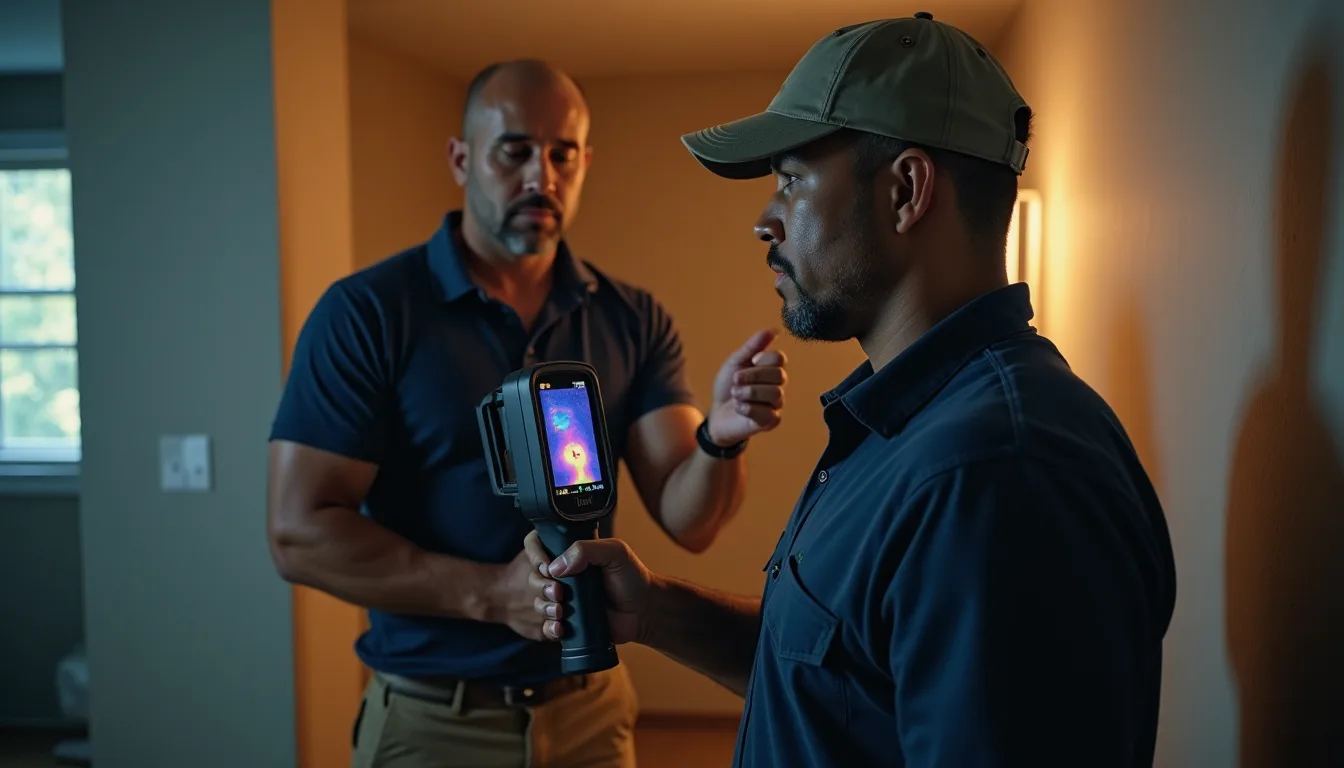
As autumn descends on Denver, homeowners face the dual challenge of preparing for winter while safeguarding against the unpredictable fallout of Colorado’s unique weather patterns. Rapid temperature swings can trigger freezing nights, while heavy snowmelt transitions into aggressive rainfall. For Denver residents, the possibility of water damage looms large, especially with expansive clay soils that can exacerbate drainage issues. The following water protection plan outlines essential steps you can take to fortify your home against seasonal threats, ensuring that your investment remains safe through the winter.
Why This Matters for Denver Homeowners
Water damage is not merely an inconvenience for Denver homeowners; it can lead to costly structural issues that may not be visible until significant damage has occurred. Expansive clay soils prevalent in the Denver area require specific drainage measures. These soils can swell when wet and shrink as they dry, causing foundations to crack under pressure.
The freeze-thaw cycles typical of Colorado winters further complicate this situation, where water can seep into tiny cracks, freeze, expand, and then thaw, repeatedly weakening the structure over time. Not addressing these vulnerabilities can lead to mold growth and extensive damage that is expensive to repair.
Tip: Regularly inspect your property for standing water or damp areas, especially after heavy rainfall, as immediate attention can prevent long-term issues.
If left unchecked, these issues can lead to costly repair bills, sometimes exceeding $5,000 for major restorative work. Understanding the risks and preparing your property can save Denver homeowners from significant headaches this fall.
Expert Solutions & Actionable Tips
1. Inspect Your Gutters and Downspouts
Properly functioning gutters and downspouts are essential for directing water away from your home. In Denver, they should be cleaned at least twice a year, particularly in fall when leaves accumulate. Expect to spend between $100 to $300 on a professional cleaning depending on the size and complexity of your roof. Keeping debris out helps to avoid water pooling that could cause severe structural issues.
If you notice your gutters are overflowing or water pooling near your foundation, it’s a clear sign these systems are not working correctly. Invest this time to check for leaks or rust signs which could necessitate replacement. A new seamless gutter system can range from $1,000 to $2,500.
2. Assess the Grading Around Your Home
Ensure that the grading around your Denver property slopes away from the foundation. This simple yet often overlooked step can prevent serious drainage issues. You can hire a landscape professional to re-grade the area, with costs averaging between $500 and $2,000 depending on the levels of soil modification needed. If you notice pooling water after rainfall, it’s a red flag.
Additionally, maintain soil moisture levels around your foundation. For clay soils, occasional watering can prevent them from cracking and shrinking, thus aligning your outdoor landscape with your home’s structure.
3. Install a Sump Pump
A sump pump can be a lifesaver in Denver’s climate, especially during periods of rapid snowmelt or heavy rains. These systems actively remove water from your basement or crawlspace, reducing the risk of water damage. Installation costs typically range from $1,500 to $3,000, including labor and equipment.
Consider also installing a battery backup system to keep the pump operational during power outages. This additional feature can add about $400 to $600, but it’s invaluable for maintaining functionality in extreme storms.
4. Check Your Basement for Vulnerabilities
Your basement is particularly susceptible to water damage, especially given the clay soil conditions in Denver. Regularly inspect walls and floors for any signs of dampness or cracks. Small repairs can be done at a cost that ranges from $200 to $700, but ignoring them may result in major water intrusion and mold growth, which could cost thousands to remediate.
Don’t forget to seal any cracks with appropriate materials. Epoxy or polyurethane sealants are recommended, typically costing around $30 to $100 per gallon depending on the volume needed.
5. Winterize Your Sprinkler System
Properly winterizing your sprinkler system is crucial in preventing freeze-thaw damage. In Denver, neglecting to prepare your irrigation system can lead to water leaks, which drip into the soil and exacerbate the settlement issues facing homes built atop clay. The cost of winterization services in the Denver area can range from $75 to $150.
Additionally, remember to drain hoses and turn off taps before the temperatures drop to avoid cracking and bursting. This preparation saves you from potential plumbing repair costs in the spring.
6. Know When to Seek Professional Help
Although many homeowners attempt DIY repairs, some water damage scenarios should be addressed by professionals. If you suspect extensive damage or mold, hire a restoration service. Initial consultations, including inspection and prevention advice, often range from $150 to $400 in Denver.
Additionally, significant repairs to basements or foundations should be approached with caution. Calling a certified professional can provide peace of mind and safety, ensuring that work complies with local regulations.
Denver Climate & Local Context
Denver’s unique climate introduces specific challenges for homeowners, especially concerning water management. The city experiences heavy snowfall followed by rapid thawing, often resulting in floods. Density and the presence of clay soils require attention to drainage systems, leading local codes to enforce regulations on property drainage to mitigate runoff and prevent local flooding.
Additionally, permitting for major water damage repairs must comply with city regulations, which can vary widely depending on neighborhood and property age. Homeowners are encouraged to check the Denver building department's website for any updates before commencing repairs, ensuring compliance with local standards.
When to Call a Professional
It can be tempting to tackle water issues independently, yet some situations demand professional intervention. Homeowners should remain vigilant for signs indicating the need for expert assistance.
- Major flooding during heavy storms
- Persistent damp or musty smells
- Visible mold growth (black spots on walls)
- Soft or spongy flooring or walls
- Cracks in the foundation wider than a quarter of an inch
- Water stains that expand or emit discoloration
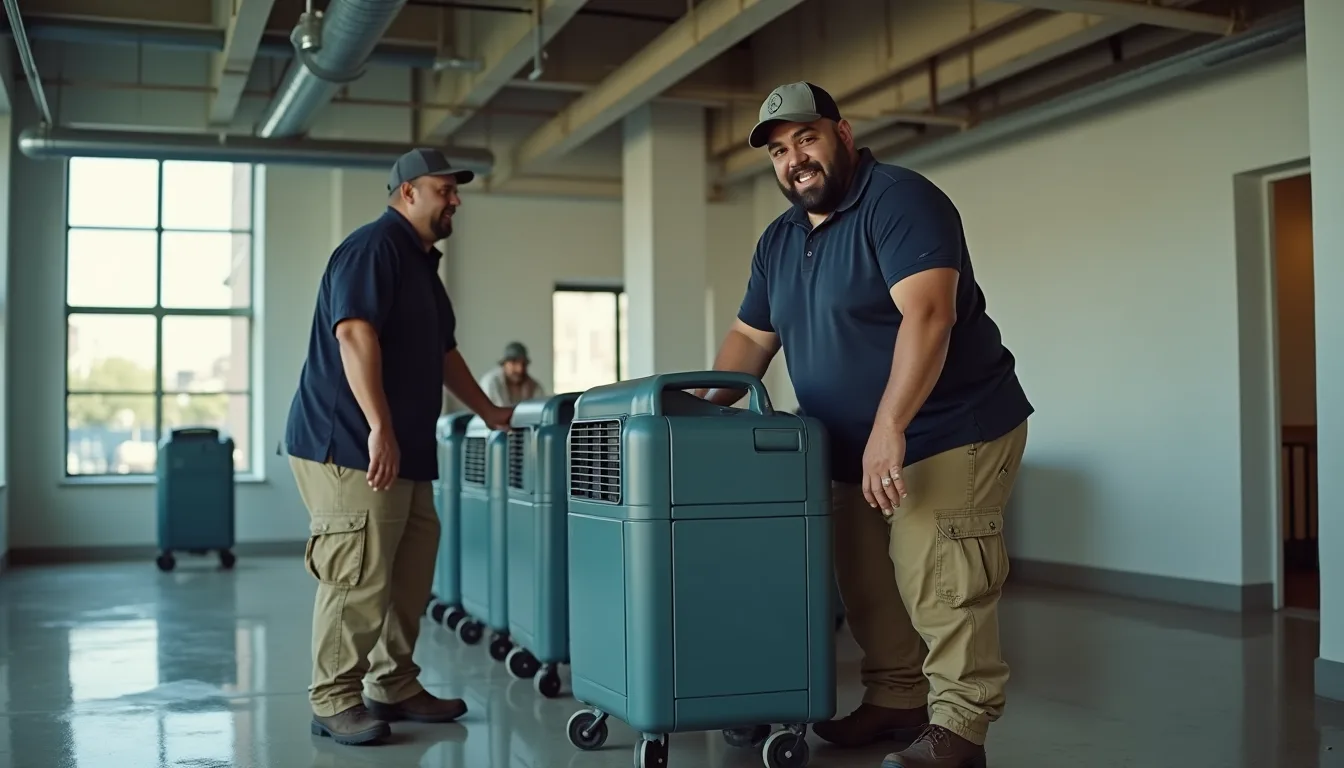
These situations often require specialized equipment and expertise to address effectively. In Denver, calling a service like SilverCrest Water Damage can ensure proper assessment and restoration of your property, shielding it from future risks.
Frequently Asked Questions
What causes water damage in Denver homes?
Water damage in Denver mainly arises from rapid snowmelt, heavy rainfall, and structural vulnerabilities associated with expansive clay soils. Ensuring proper runoff management and regular inspections can mitigate these risks.
How long does water damage restoration take?
The timeline for water damage restoration varies, but most Denver jobs may take around 3 to 7 days, depending on the extent of damage and required mitigation efforts.
Is it necessary to hire a professional for water damage?
While small water issues can sometimes be resolved independently, large-scale damage, particularly involving contamination or significant structural problems, should always be handled by professionals like SilverCrest Water Damage Services.
What are the signs of water damage I should look for?
Signs include drooping ceilings, damp spots on walls, and a persistent musty smell. These red flags require immediate attention to prevent further issues.
How can I prevent winter water damage?
Homeowners can prevent winter water damage by ensuring proper gutter maintenance, checking grading, and winterizing outdoor systems before freezing temperatures set in.
Get Expert Water Damage Restoration Service in Denver
Don’t let water damage take you by surprise this fall. Prepare your Denver home with preventive measures that are practical and effective. For more expert guidance, reach out to SilverCrest Water Damage Services at (720) 743-7856. Your home’s safety and value depend on it.
Contacting SilverCrest now can make all the difference in ensuring your property remains intact throughout the season. Approach this autumn with confidence, knowing you’ve taken every measure possible to protect your home.
More Articles
The Denver Homeowner's Fall Moisture Inspection Checklist
2026-04-22
Water Damage RestorationWhat Causes Pipe Bursts in Denver? Prevention and Water Damage Restoration Guide
2026-04-22
Water Damage Restoration7 Signs You Need Professional Water Damage Restoration in Denver
2026-04-22