Common Water Damage Restoration Myths Debunked by Denver Experts
Published: 2026-04-18 · By SilverCrest Water Damage Services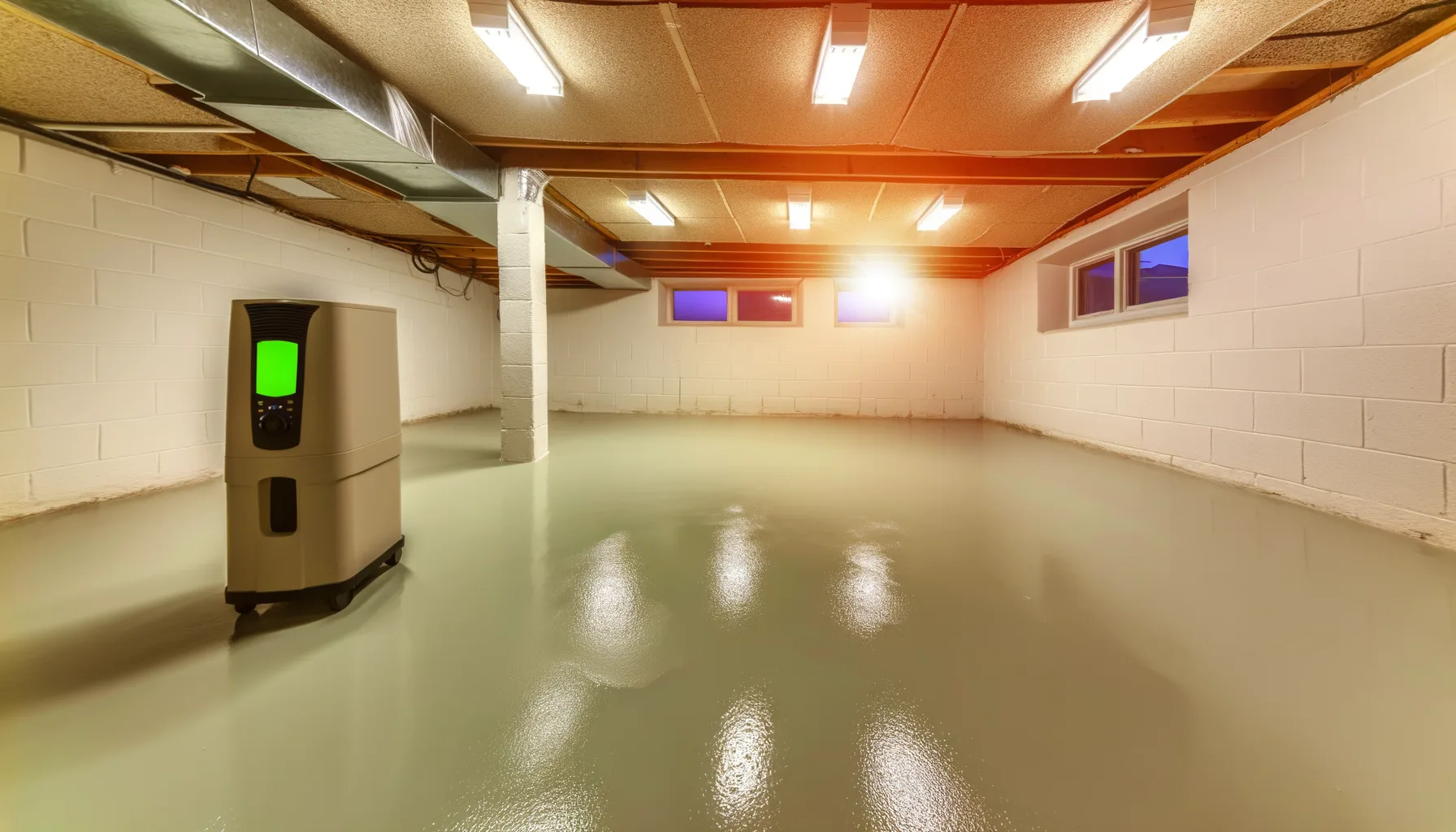
Water damage can strike when you least expect it, especially here in Denver, where rapid temperature swings can turn a seemingly sunny day into a snow-laden disaster. Picture this: you return home after a long day, only to find your basement flooded due to spring hail storms and the heavy snowmelt from the Rockies. As a homeowner, it's tempting to rely on common beliefs about water damage restoration, but many of these myths can hinder your recovery efforts. Let's dive into some misconceptions, empowering you to protect your home against the unpredictable Colorado climate.
Why This Matters for Denver Homeowners
For Denver homeowners, the risk of water damage is particularly acute. The unique combination of heavy rainfall, melting snow, and intense freeze-thaw cycles can stress homes built on expansive clay soils, leading to serious structural issues. This becomes an even greater concern when water infiltrates through poorly constructed drainage systems. Many residents believe they can handle water damage on their own, underestimating the potential for mold growth and further damage if not handled properly.
Additionally, local building codes require knowledge of specific restoration practices that many DIY enthusiasts may not possess. For those unfamiliar with these regulations, a botched restoration job might result in costly fines or the need for additional repairs. Understanding these local dynamics and how they relate to water damage can save homeowners time and money.
Don’t underestimate the impact of Denver’s weather on your property. If water damage occurs, consult local experts for an effective restoration strategy.
Expert Solutions & Actionable Tips
1. Understand Your Home's Construction
In Denver, homes constructed on expansive clay soils are particularly vulnerable to water damage. These soils can swell or shrink dramatically with moisture changes, leading to foundation cracks. Regular inspections, especially before the spring thaw, can help identify potential weaknesses. Investing in proper drainage solutions can range from $1,500 to $5,000. Engineering assessments can cost around $300 to ensure drainage systems are up to code.
2. Common Misconceptions About DIY Water Damage Repair
Many homeowners believe that minor water intrusion can be easily fixed by drying out the area with fans. However, unless you properly address the source and underlying moisture issues, you risk mold growth, which occurs within 24 to 48 hours. Engaging a professional cleaning service can cost anywhere from $500 to $3,000 depending on the severity.
3. Seasonal Maintenance Tips
Before winter hits, inspect your roof and gutters to prevent ice damming, which can lead to leaks inside your home. Gutter cleaning services typically run between $200 and $400. Ensuring downspouts direct water away from your foundation prevents erosion, especially during the spring when snowmelt occurs rapidly in Denver.
4. The Importance of Professional Assessments
When a leak occurs, your first instinct may be to grab towels and buckets. Yet, professional water damage assessments are critical in uncovering hidden issues. A home inspection, including thermal imaging to find moisture trapped in walls, may cost around $300. Many local restoration services offer free assessments to gauge the damage and needed repairs.
5. Identifying Water Damage Early
Keep an eye out for unusual sounds, such as dripping or trickling water, which can indicate hidden leaks. Additionally, look for discoloration on walls or ceilings—an early sign of moisture intrusion. Addressing these issues promptly can prevent repair costs from escalating, often starting from $1,200 for minor repairs up to $10,000 for major damage requiring full restorations.
6. Understanding Insurance Claims
Many homeowners mistakenly believe that all types of water damage are covered under their insurance. However, most policies only cover sudden, accidental damage and exclude flood damage. If you experience a flood due to local storms, you might need separate flood insurance, which can be quite affordable, averaging $600 annually for residents in Denver.
Denver Climate & Local Context
Denver's climate presents distinct challenges for homeowners. The region experiences rapid temperature fluctuations, leading to freeze-thaw cycles that can cause expansion in materials, weakening your home’s structure over time. Additionally, local building regulations often require specialized drainage systems to compensate for the high clay content in soil. Homes that lack adequate drainage can easily become inundated when heavy rain or melting snow occurs, leading to unnecessary repairs.
Another consideration is the typical response time for securing permits for major restoration work, which can take several weeks in Denver. Homeowners must be vigilant with local codes, as improper repairs may not only lead to increased costs but can also result in fines or the necessity for rework under city guidelines. Engaging with local water damage experts can ensure compliance and efficiency.
When to Call a Professional
While some minor water issues may seem manageable for DIY efforts, knowing when to call in a professional is crucial. For instance, if the damage exceeds a couple of square feet or involves sewage, it’s best to consult a restoration expert immediately. Professionals have the right tools and expertise to deal with hazardous materials safely.
- If you notice mold growth extending beyond 10 square feet
- When water damage persists despite your personal repairs
- If water damage is a result of sewage or contaminated water
- When there’s structural risk, such as sagging floors
- If you feel overwhelmed by the extent of the damage
- When local building codes come into play
- If the restoration has taken longer than a few days
When in doubt, calling a professional can help you avoid further complications and costly damages down the line.
Frequently Asked Questions
How can I tell if my basement has water damage?
Look for signs like musty odors, damp spots on walls, or visible mold growth. If you notice any of these, it’s best to call SilverCrest Water Damage Services for an inspection.
What should I do first if I find water damage?
First, locate and stop the source of water, if safe to do so. Then, reach out to a local specialist, like SilverCrest Water Damage Services, to assess and mitigate the damage.
Does homeowners insurance cover water damage in Denver?
Coverage depends on the type of water damage. Typically, sudden leaks or bursts are covered, but flood damage may require separate policies. Always check with your insurance provider for specifics.
What are the indicators of a serious water issue?
Some indicators include excessive mold growth, persistent water leaks, or structural issues like bowing walls. If you notice any of these, contacting a professional is imperative.
Can DIY methods be effective for water damage restoration?
While small issues like minor leaks might be manageable, most water damage scenarios require professional equipment and expertise to prevent long-term consequences.
Get Expert Water Damage Restoration Service in Denver
Don't let water damage escalate into a major issue! If you've experienced any form of water damage in your home, reach out to SilverCrest Water Damage Services today. You can count on local experts to restore your property efficiently. Call (720) 743-7856 for a consultation.
SilverCrest Water Damage Services knows Denver's unique challenges and is here to help you every step of the way. Act now to safeguard your home!
Related Services
More Articles
DIY vs Professional Water Damage Restoration: When to Call the Experts
2026-04-18
Water Damage RestorationHow Denver Weather Affects Your Home: Water Damage Restoration Prevention Tips
2026-04-18
Water Damage RestorationWater Damage Restoration Emergency? Here's What to Do in the First 24 Hours
2026-04-18