Water Damage Restoration Emergency? Here's What to Do in the First 24 Hours
Published: 2026-04-18 · By SilverCrest Water Damage Services
When a sudden hailstorm beats down on your Denver home, the aftermath can be devastating. Imagine waking up to pooling water in your living room, the result of a broken pipe or leaks exacerbated by unpredictable weather. The rapid temperature swings in the area can cause significant stress on building materials, making water damage restoration an urgent matter. Understanding what steps to take in the first 24 hours could save your home from further damage and costly repairs. Here's a comprehensive guide tailored specifically for Denver residents facing such challenges.
Why This Matters for Denver Homeowners
Water damage is more than just a nuisance; it can lead to structural integrity issues, mold growth, and loss of property value. Denver's unique weather patterns—marked by sudden hail storms, heavy snowmelt in spring, and the freeze-thaw cycles—can wreak havoc on homes, particularly those built on expansive clay soils that demand careful drainage solutions.
The consequence of ignoring an initial water intrusion can be dire. Damage can escalate rapidly; within 24 hours, wood starts to warp, drywall can weaken, and mold may begin to develop. Homeowners often underestimate the importance of acting swiftly, believing that minor leaks will resolve themselves. Unfortunately, that often isn’t the case.
Tip: Always act quickly! The sooner you address water damage, the less likely you are to incur extensive repairs.
In a city like Denver, the risk of freeze-thaw cycles means that what begins as a small leak can quickly become a major problem once temperatures drop. Understanding these local factors is crucial in taking timely action to mitigate damage.
Expert Solutions & Actionable Tips
1. Assess the Situation Immediately
Your first move is to assess the extent of the water damage. Is it isolated to a small area, or is it more widespread? Shut off any water source if you can, and check for burst pipes or leaks. Photographs can be useful for insurance claims later.
A quick inspection typically takes about 15-30 minutes. Note any visible damage but remember that hidden moisture can cause greater concerns. Water extraction services may charge between $500 and $1,500 based on the situation, so being clear about the extent of the damage will aid in budgeting.
2. Turn Off Electricity and Gas
Once water is present, safety should be your priority. If water is reaching electrical outlets or appliances, turn off the electricity at the breaker to prevent electrocution. If you smell gas or suspect any gas lines may be affected, contact the local utility provider immediately.
This process can take about 5-10 minutes but is critical to ensure you remain safe as you handle the situation. Always double-check that electrical systems are entirely dry before restoring power.
3. Document Everything for Insurance
Insurance matters when dealing with water damage in your Denver home. Begin documenting the damage with photos and written notes, specifying the time and date. This documentation is key when filing a claim.
While you're likely already stressed about the damage, take the time to organize these images and notes. Submitting claims can take several weeks, so the sooner you provide your insurer with detailed evidence, the quicker your financial recovery will be.
4. Contact a Reliable Water Damage Expert
Engaging a professional service like SilverCrest Water Damage Services is vital after a significant water incident. Professionals have the experience and tools necessary to accurately assess and correct the situation.
Expect to pay between $800 and $4,000 for services, depending notably on the severity of the damage. Getting a quote soon after assessing damage maximizes efficiency and minimizes costs, saving you both time and money.
5. Start Drying Out the Affected Area
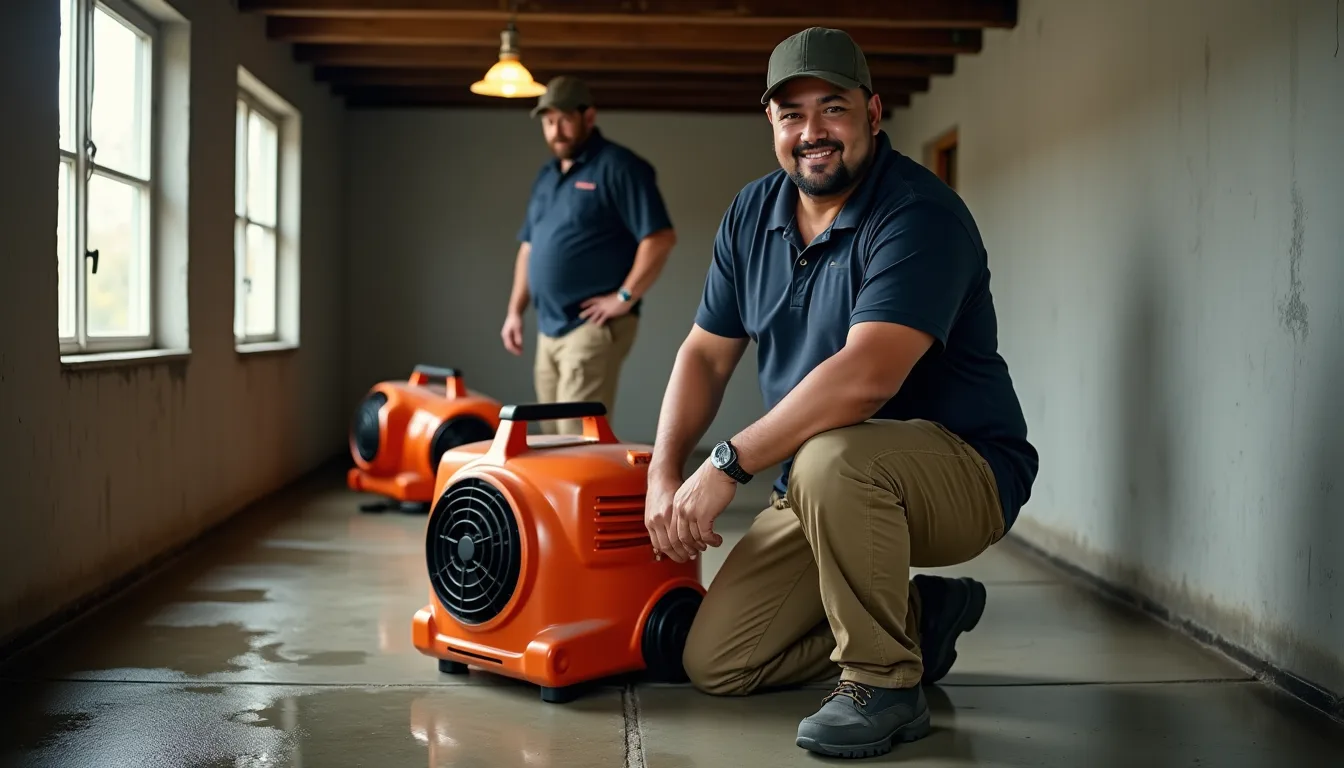
After contacting professionals, begin the drying process if possible. Remove soaked belongings from the area and use fans to circulate air. Open windows if the weather allows; Denver’s dry climate can aid in drying.
This can take anywhere from a few hours to several days, depending on the damage level. Not only does drying expedite recovery, but it also helps to prevent mold growth, a particular concern in Denver's damp seasons.
6. Evaluate Long-Term Solutions and Repairs
Once the immediate problem is handled, look to long-term solutions. In Denver, homes often need specialized drainage systems due to expansive soils. Assess whether your drainage is functioning properly to prevent future issues.
Long-term repairs can add up and may range from $1,500 to over $10,000 based on what is needed. Consulting with experienced water damage restoration contractors to evaluate your home's condition will lead to an informed action plan.
Denver Climate & Local Context
Denver's unique climate can offer a mixed bag regarding water damage risks. The rapid temperature fluctuations and intense hailstorms pose immediate threats to properties. Springtime snowmelt can create excessive runoff, causing additional strain on local drainage systems.
Many homes in the area are built on expansive clay soils, which can exacerbate water pooling and lead to moisture intrusion. It's essential for homeowners to understand local building codes which often mandate specific drainage solutions to counteract these conditions. Implementing those requirements during renovations can save significant headaches and costs in the future.
When to Call a Professional
Choosing between DIY fixes and professional restoration can be tricky. If the damage is limited to a small patch with minimal water absorption, you may try addressing it yourself. However, if you're facing significant water flow, calling in SilverCrest Water Damage Services is essential to avoid health risks and property loss.
- Visible mold growth
- Waterlogged walls or floors
- Damage over a large area
- Ongoing leak or flooding
- Unpleasant odors
- Water impacts on electrical systems
- Foundation or structural instability
Recognizing these red flags will help you determine when professional intervention is crucial for safe and effective restoration.
Frequently Asked Questions
How quickly should I call for water damage restoration in Denver?
In Denver, it's best to contact a restoration service within the first 24 hours of water exposure to minimize potential damage and costs.
Are there specific permits required for water damage restoration in Denver?
Typically, minor repairs don’t require permits, but significant structural repairs may need local permits; always check with the City of Denver for guidance.
What types of insurance cover water damage restoration?
Homeowners insurance generally covers water damage, but flooding usually requires separate flood insurance; check your policy for specifics.
Can I perform my own repairs after water damage?
DIY repairs can be done if damage is minor, but significant water intrusion should be handled by professionals to ensure safety and effectiveness.
How can I prevent future water damage in my Denver home?
Regular maintenance of your drainage systems, foundation checks, and proper insulation can greatly minimize future water damage risks.
Get Expert Water Damage Restoration Service in Denver
If you find yourself facing water damage in your Denver home, don’t wait for the problem to escalate. Reach out to SilverCrest Water Damage Services and let our experienced team guide you through the process.
For immediate assistance, call (720) 743-7856 and ensure your property is back to its best state as quickly as possible.
Related Services
More Articles
DIY vs Professional Water Damage Restoration: When to Call the Experts
2026-04-18
Water Damage RestorationHow Denver Weather Affects Your Home: Water Damage Restoration Prevention Tips
2026-04-18
Water Damage RestorationCommon Water Damage Restoration Myths Debunked by Denver Experts
2026-04-18