Water Damage Restoration and Your Home's Foundation: What You Need to Know
Published: 2026-04-18 · By SilverCrest Water Damage Services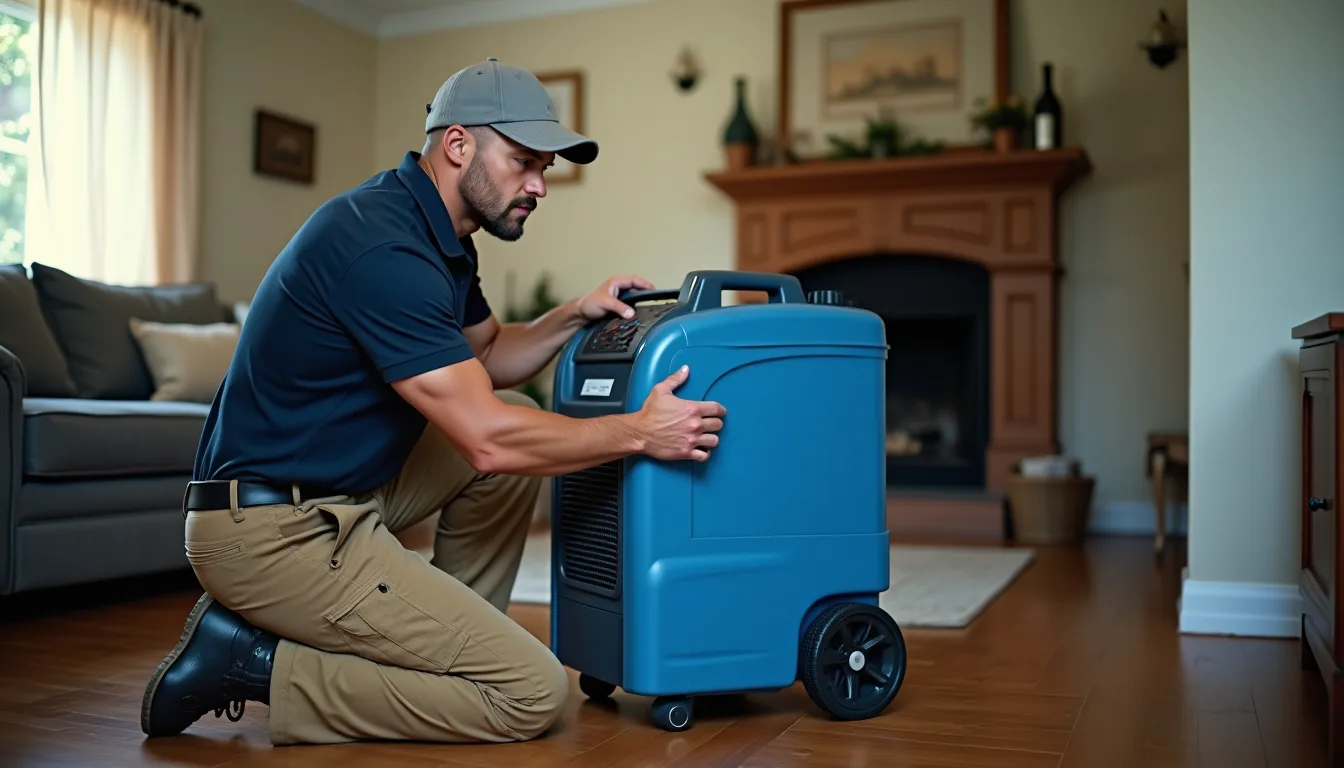
Imagine waking up on a crisp spring morning in Denver, only to discover a pool of water in your basement caused by the melting snow from your roof. The shock of unexpected water damage can be overwhelming, and the stakes are high when it comes to your home’s foundation. With local weather patterns shifting rapidly—from hail storms to dramatic freeze-thaw cycles—water damage is not just a nuisance; it's a potential threat to the structural integrity of your property. Understanding the implications and solutions for water damage, especially when it comes to foundations, can make all the difference for homeowners navigating these challenges.
Why This Matters for Denver Homeowners
For homeowners in Denver, water damage isn't merely an inconvenience—it's a serious issue that requires urgent attention. Homes built on expansive clay soils are particularly susceptible to water-related problems because these soils expand and contract dramatically with moisture levels. Rapid temperature swings in Denver, alongside heavy spring snowmelt, can lead to significant water infiltration, putting immense pressure on foundations. A compromised foundation can result in costly repairs and decreased property value, making it essential to address any signs of water damage immediately.
Common signs of water damage include sagging floors, cracked walls, and mildew odors. Failing to mitigate these issues promptly can escalate into more extensive damage, creating a cascade of issues for not only your foundation but the overall safety of your home. It's crucial to monitor your property after heavy rains or snowmelt, as the repercussions of neglecting water damage can be severe in this region.
Tip: If you experience water intrusion, do not delay. The quicker you act, the lower the potential cost of repairs.
Negotiating the unique environmental factors of Denver means being aware of seasonal shifts and their potential impact on your home. For many, the springtime can be a double-edged sword, contributing to both beauty and unexpected water emergencies.
Expert Solutions & Actionable Tips
1. Understanding Expansive Soils
In Denver, it's crucial to understand how the expansive clay underlying many homes affects drainage and foundation stability. This soil expands when wet and contracts during dry months, creating stress on your foundation. Regular foundation inspections cost between $300-$500 and can save you from more expensive repairs related to water damage.
Consider enhancing your home’s drainage system with a sump pump, which can range from $1,000 to $3,000. This will help you manage excess moisture and protect your home's foundation during heavy snowfall and rain.
2. Identifying Water Damage Early
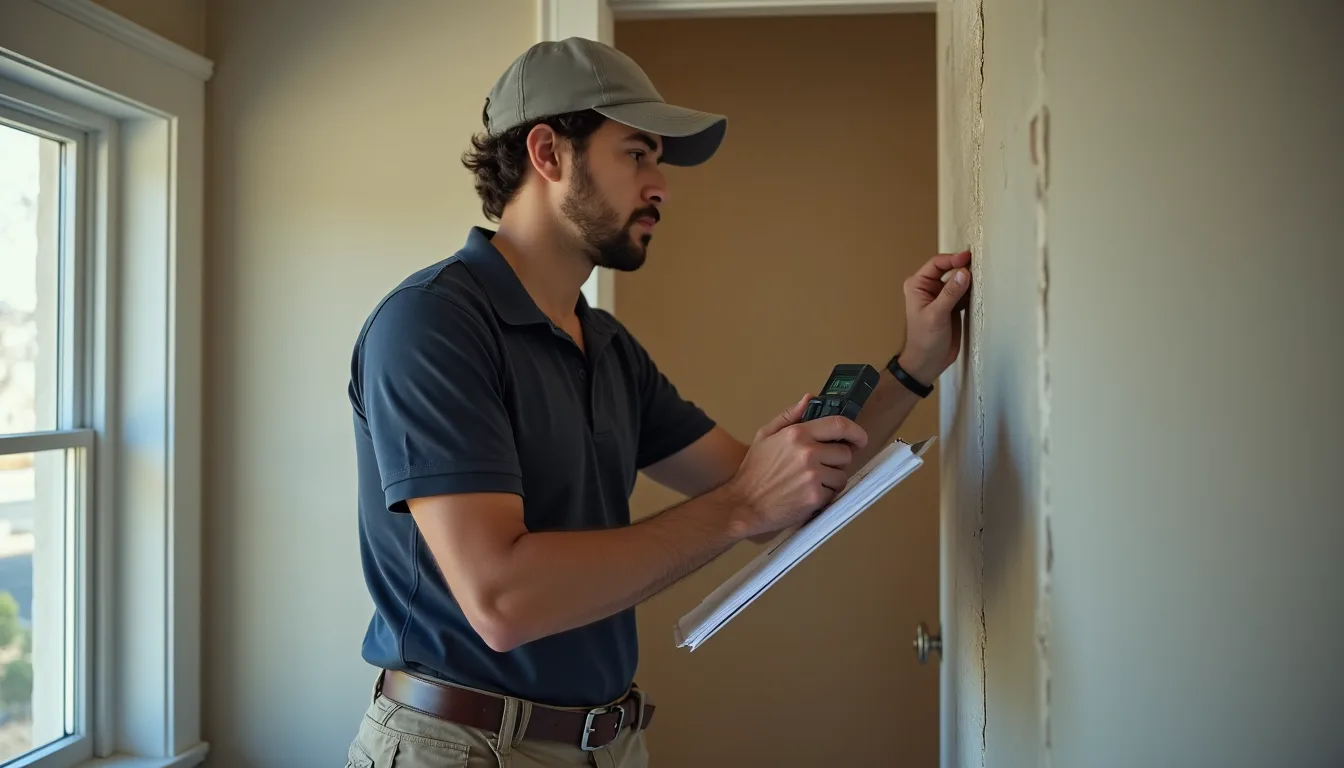
Spotting water damage early is paramount in preventing costly repairs. Look for telltale signs: discoloration, damp spots, or peeling paint in basements and crawlspaces. Creating a regular home maintenance schedule might cost only a few dozen dollars but can prevent damage that could run into thousands.
Regular checks during the spring thaw are advisable. If you notice water pooling around your foundation, take immediate action to direct it away from your home.
3. Insurance and Water Damage Claims
Understanding your insurance policy can make all the difference when dealing with water damage. Many policies cover sudden, accidental damage but may not include maintenance issues. Ask your carrier about coverage and potential claims upfront; the average cost of water damage restoration in Denver ranges from $2,500 to $10,000.
Keep detailed records of damages and repairs to strengthen your claim, particularly if they were caused by extreme weather patterns typical to our area.
4. DIY vs. Professional Help
While some minor water issues can be addressed with DIY methods, attempting major repairs without professional help in Denver could worsen the situation. For example, DIY fixes like patching leaks may seem appealing, but if not done correctly, they can lead to mold or structural failure.
If you find extensive damage, it's advisable to contact certified professionals who specialize in water damage restoration. SilverCrest Water Damage Services offers assessments, and quick response can mean the difference between a repair of a few thousand dollars and a major renovation.
5. Drainage Solutions for Your Home
Improving your home’s drainage can prevent water damage and protect your foundation. Consider installing French drains, which can cost $15-$100 per linear foot, depending on installation and materials needed.
This proactive approach can help mitigate damage from spring snowmelt and heavy rains that Denver often faces. The right drainage solution not only safeguards your foundation but also enhances property value.
6. Preventing Future Water Issues
Once you've handled current water damage, it's vital to implement strategies to prevent it in the future. Regularly maintain gutters and downspouts, ensuring they are free of debris and direct water away from your foundation. For $100-$300, hire someone or invest in professional cleaning to ensure they function properly through each season.
Consider establishing vegetation around your property with roots that help absorb rainwater while also creating beautiful landscaping—this dual function can be both aesthetically pleasing and practical.
Denver Climate & Local Context
Denver's unique climate presents specific challenges for homeowners when it comes to water damage. The wet springs followed by dry summers can create a volatile environment for your home's foundation built on expansive clay. Heavy snowmelt can often exacerbate these issues, especially when coupled with sudden rainstorms, leading to significant water intrusion risks. Local building codes require some compliance for drainage systems, which is crucial for new builds and renovations to mitigate the damage that excessive moisture can cause.
Fortunately, understanding local weather patterns allows Denver homeowners to be proactive. Regularly scheduled inspections, appropriate drainage solutions, and awareness of local weather forecasts will arm homeowners with the knowledge needed to protect their properties. Awareness and action are key when operating in such a dynamic climate.
When to Call a Professional
Deciding whether to tackle water damage independently or call a professional can be challenging. DIY approaches can save money but may lead to oversights that exacerbate issues, especially if the damage is extensive. Remember, sometimes the most economical solution in the long run is to connect with experts that have experience in assessing and correcting water damage.
- Signs of mold growth that can be harmful to health
- Cracks in the foundation wider than a quarter-inch
- Persistent musty odors or dampness
- Water pooling around your foundation after rain
- Repeated water intrusion after storms or snowmelt
- Significant structural sagging or shifting
In such red-flag scenarios, contact a service like SilverCrest Water Damage Services to evaluate the situation immediately. Expert assistance can prevent long-term damage and save you from unforeseen expenses.
Frequently Asked Questions
What are the common causes of water damage in Denver homes?
In Denver, common causes of water damage include heavy rainfall, rapid snowmelt, and leaks from old plumbing. Given the region's clay soil, poor drainage can also lead to water accumulation around foundations.
How can I tell if my foundation has been damaged by water?
Signs of foundation damage include cracks in the walls and floor, sloping floors, and excessive dampness in your basement. Noticing any of these could indicate a serious issue that requires immediate attention.
What should I do if I discover water pooling in my basement?
Immediately remove any personal belongings from the area, then contact SilverCrest Water Damage Services at (720) 743-7856 for an assessment and professional remediation.
Does my homeowners insurance cover water damage restoration?
Coverage often depends on the cause of the damage. Sudden incidents like a burst pipe may be covered, while gradual wear and tear may not be. It's crucial to check your policy specifics for clarity.
How long does it typically take to restore a home after water damage?
The duration for restoring water damage varies widely based on the extent of the damage. Simple clean-ups may take a few days, while major repairs could require weeks. Professional assessment will provide a more accurate timeline.
Get Expert Water Damage Restoration Service in Denver
Water damage poses serious threats to your home’s foundation, especially in Denver's unique climate. Don't wait for small issues to escalate. Contact SilverCrest Water Damage Services today—give us a call at (720) 743-7856 for expert assistance.
Protect your home from future damage and enjoy peace of mind knowing you've consulted professionals in water damage restoration.
Related Services
More Articles
DIY vs Professional Water Damage Restoration: When to Call the Experts
2026-04-18
Water Damage RestorationHow Denver Weather Affects Your Home: Water Damage Restoration Prevention Tips
2026-04-18
Water Damage RestorationCommon Water Damage Restoration Myths Debunked by Denver Experts
2026-04-18